Hebei Mengniu Metal Products Co., Ltd



 Esperanto
 Shqiptare
 Euskara
 Zulu
Zulu
 Latinus
 Cymraeg
 தமிழ்
தமிழ்
 Slovak
 Slovak
 Afrikaans
Quality Deformed Steel Rebar: Strengthening Infrastructures for a Sustainable Future
Published on:
2021-09-15
Quality Deformed steel rebar plays a crucial role in ensuring the strength and durability of various infrastructures worldwide. As a key component in reinforced concrete structures, this specialized steel bar offers a range of benefits that contribute to the longevity and safety of buildings, bridges, and other critical constructions.

Quality Deformed steel rebar plays a crucial role in ensuring the strength and durability of various infrastructures worldwide. As a key component in reinforced concrete structures, this specialized steel bar offers a range of benefits that contribute to the longevity and safety of buildings, bridges, and other critical constructions.
The unique characteristic of quality deformed steel rebar lies in its surface texture, which features various patterns of indentations, ribs, or protrusions. These deformations provide enhanced bonding and anchoring capabilities when embedded in concrete. By increasing the surface area in contact with the surrounding concrete, the rebar effectively transfers tensile forces, preventing cracks and enhancing the overall load-bearing capacity of the structure.
One of the primary advantages of quality deformed steel rebar is its ability to withstand high levels of tension. When reinforced concrete structures are subjected to loads, such as the weight of the building or external forces, they experience tensile stress. The deformed surface of the rebar increases its grip on the concrete, effectively resisting these tensile forces and preventing the structure from collapsing. This reinforcement increases the structural integrity and overall safety of buildings and infrastructure.
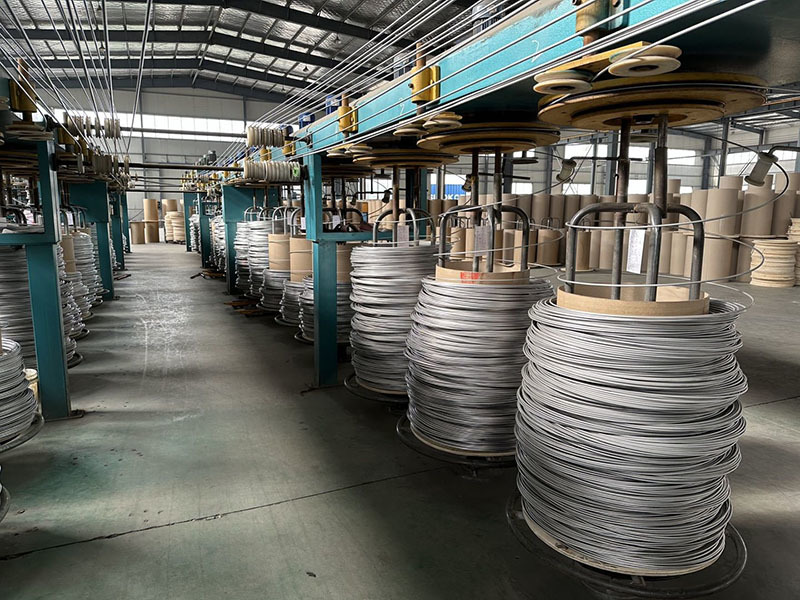
Furthermore, quality deformed steel rebar offers excellent ductility, which is the ability to deform under stress without fracturing. This property allows the rebar to absorb and redistribute stress and load throughout the structure, reducing the risk of sudden failure. The ductility of quality deformed steel rebar enhances the resilience of infrastructures, making them more resistant to seismic activity, vibrations, and other external forces.
In addition to the structural benefits, quality deformed steel rebar also contributes to sustainability efforts in construction. By reinforcing concrete structures with deformed steel rebar, the lifespan of these structures is extended, reducing the need for frequent repairs or replacements. This longevity reduces the overall environmental impact associated with construction activities and conserves valuable resources.
Moreover, quality deformed steel rebar is manufactured using recycled steel, contributing to the circular economy and reducing the demand for virgin materials. The recycling process of steel reduces energy consumption and greenhouse gas emissions, making deformed steel rebar a more environmentally friendly choice for construction projects.
In conclusion, quality deformed steel rebar serves as a vital component in reinforcing concrete structures, ensuring their strength, durability, and safety. With its enhanced bonding capabilities, high tensile strength, ductility, and contribution to sustainability efforts, quality deformed steel rebar plays a significant role in constructing resilient infrastructures that can withstand various challenges. By incorporating this specialized steel bar into construction practices, we can build a sustainable future with stronger and more durable buildings and infrastructure.
Relevant news
CONTACT US
You can email us
24-Hour Consultation Hotline
Whatsapp: 008617798066686
Mobile phone :+86 17798066686
Head office Address
No. 168 Yucun South Road, Tongye Town, Luquan District, Shijiazhuang, Hebei
Please tell us what you need
Our engineers will contact you within 12 hours and provide free proposal and quotation.
copyright © 2022 Hebei Mengniu Metal Products Co.,ltd